By Ambica Patterns India Pvt Ltd ·
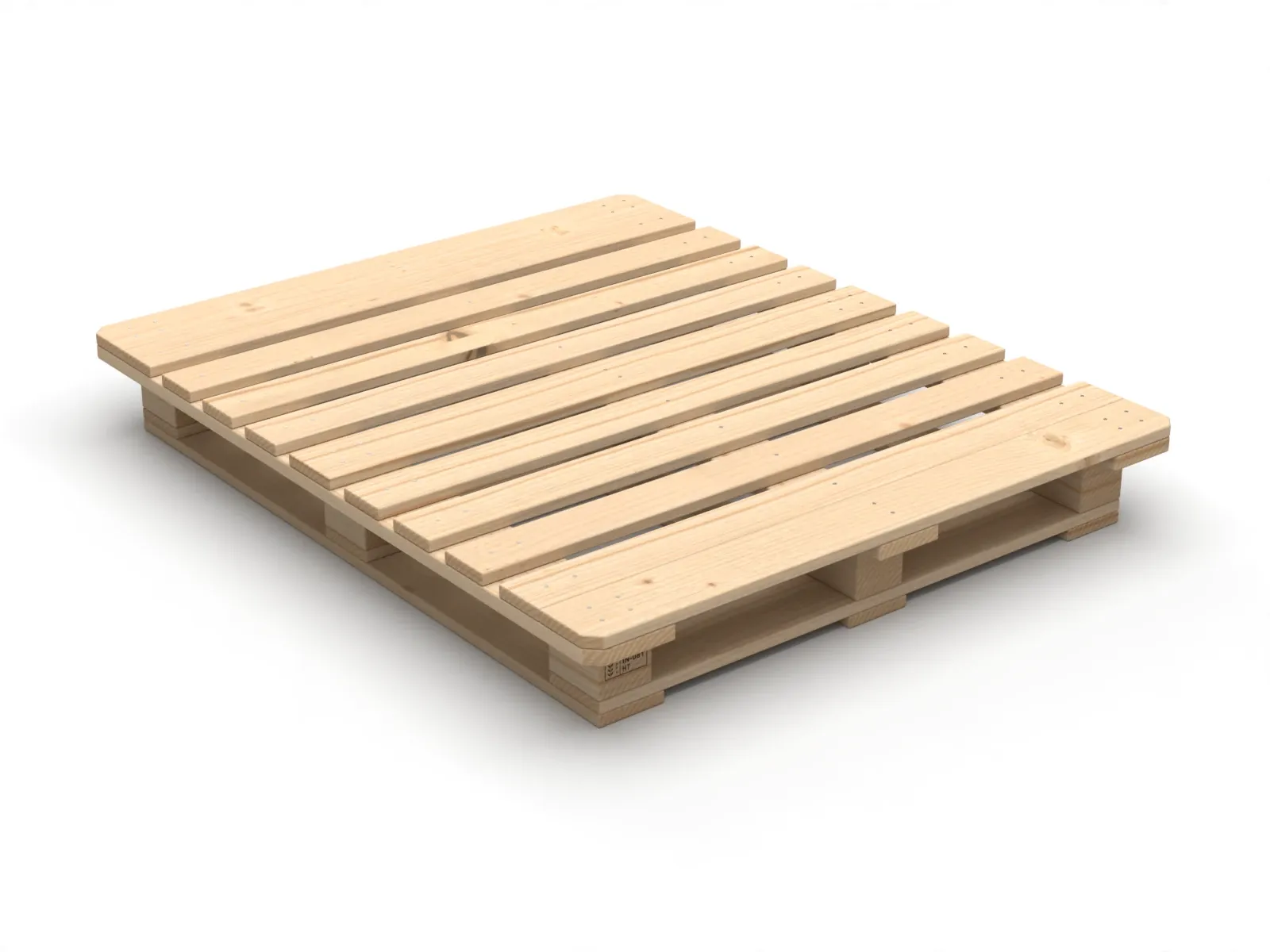
Ask a European importer, a chemical plant and an American retailer for a “standard pallet” and you will get three different answers: the Euro pallet, the CP pallet and the GMA pallet. Each is a standard for good reasons, and using the right one avoids rejected loads and re-palletising costs.
At a glance
| Euro pallet | CP pallet | GMA pallet | |
|---|---|---|---|
| Main region | Europe | Chemical and plastics industry, worldwide | USA and Canada |
| Main sizes | 1200 × 800, plus 1200 × 1000 and 1000 × 1200 | Nine sizes, CP1 to CP9 | 48 × 40 in (1220 × 1016 mm) |
| Construction | Block pallet, 4-way | Block pallet, 4-way | Stringer pallet, partial 4-way |
| Height | 144 mm (1200 × 800) | 138 mm (CP1 to CP5), 156 mm (CP6 to CP9) | Around 130 to 150 mm |
| Export marking | IPPC (ISPM-15) mark | IPPC (ISPM-15) mark | IPPC (ISPM-15) mark |
Euro pallets
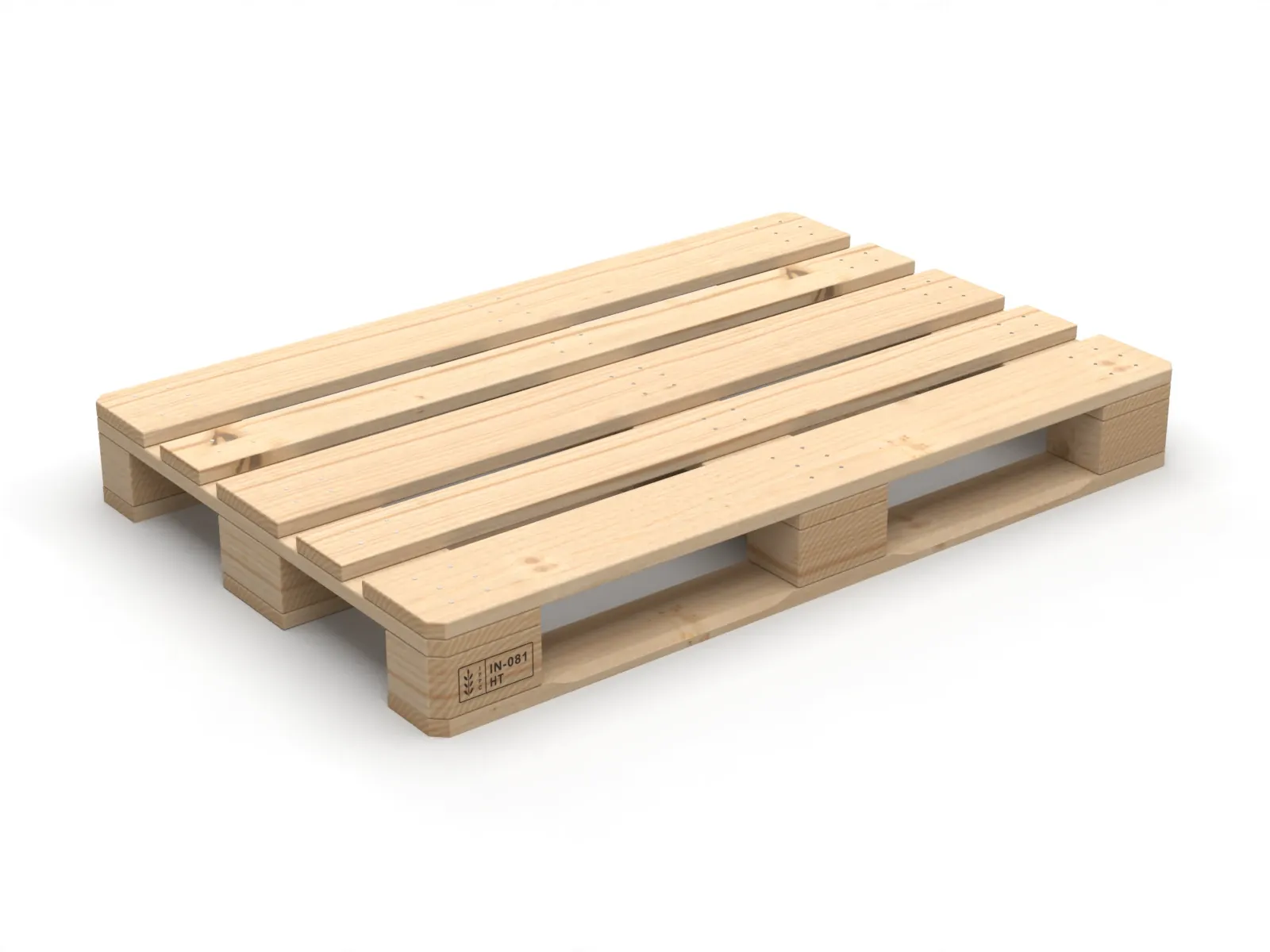
The Euro pallet measures 1200 × 800 × 144 mm and has a very specific construction: five top boards, three cross boards, nine blocks and three bottom boards, with chamfered corners and chamfered outer bottom boards so pallet trucks can enter easily. European trucks, racking and automated warehouses are planned around it. For industrial loads there are two 1200 × 1000 mm versions, one with a perimeter base and one with three bottom boards.
Euro-size or EPAL? Pallets carrying the EPAL oval are made by manufacturers licensed by the European Pallet Association and are inspected independently. Because every EPAL pallet is identical, they can be swapped one-for-one in the open EPAL exchange pool, and buyers who work with that pool will only accept EPAL-marked pallets. For one-way exports, where the pallet is not returned or exchanged, a well-made Euro-size pallet with an ISPM-15 mark is normally accepted. Always ask your buyer which one they need.
Use a Euro pallet when: you export to Europe or the UK, or your goods go into European racking or automated storage.
CP pallets
CP means Chemical Pallet. The European chemical and plastics industry created nine CP formats so that its plants could automate filling, storage and dispatch. Each size targets a type of load:
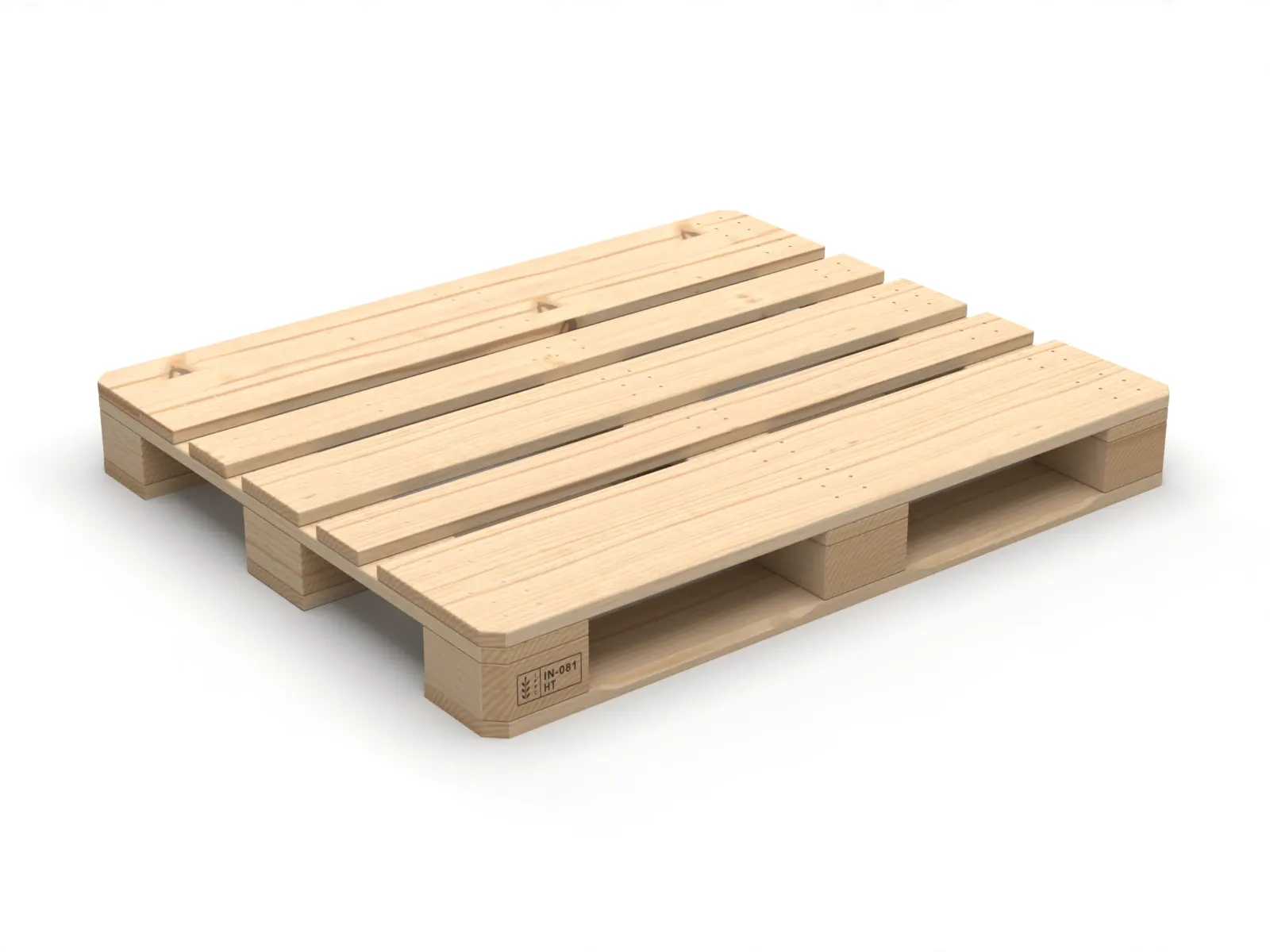
- CP1 (1000 × 1200): bagged goods, cartons and boxes
- CP2 (800 × 1200): retail-type flows on the Euro footprint
- CP3 (1140 × 1140): drums, casks and octabins
- CP4 (1100 × 1300): bagged goods such as polymer granules; the top deck overhangs the base
- CP5 (760 × 1140): a narrow pallet for cartons and crates
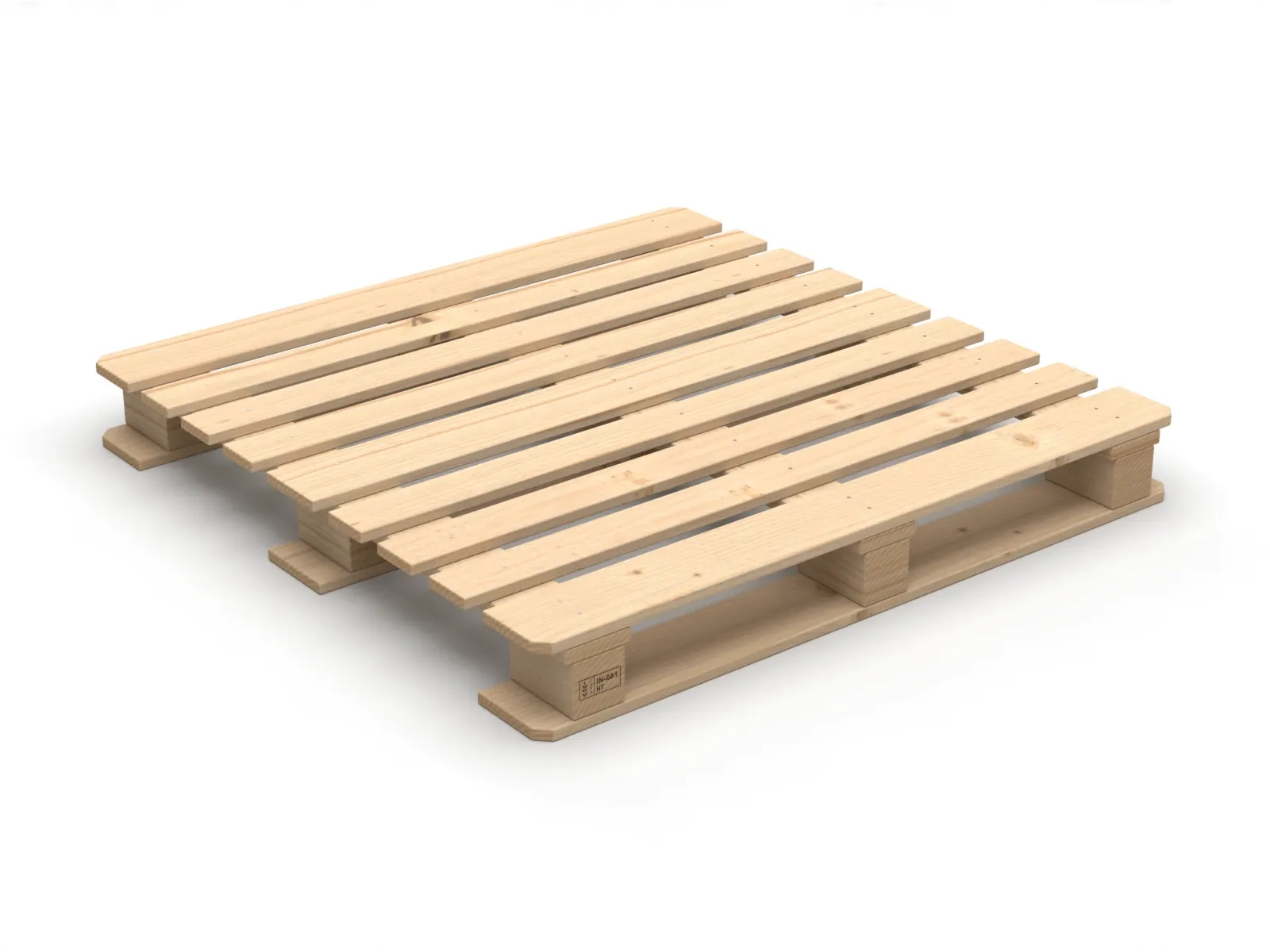
- CP6 (1200 × 1000) and CP7 (1300 × 1100): a two-layer base for bagged bulk materials
- CP8 (1140 × 1140): an open deck centre for containers with a bottom outlet
- CP9 (1140 × 1140): a two-layer base for casks and flexible bulk containers (FIBCs)
CP1 to CP5 are 138 mm high with three bottom boards; CP6 to CP9 are 156 mm high with a two-layer base. CP pallets made under the EPAL quality system carry the EPAL mark alongside their CP number; others are built to the same CP dimensions for one-way use.
Use CP when: you supply chemical, polymer or plastics companies, or your customer specifies a CP number.
GMA pallets
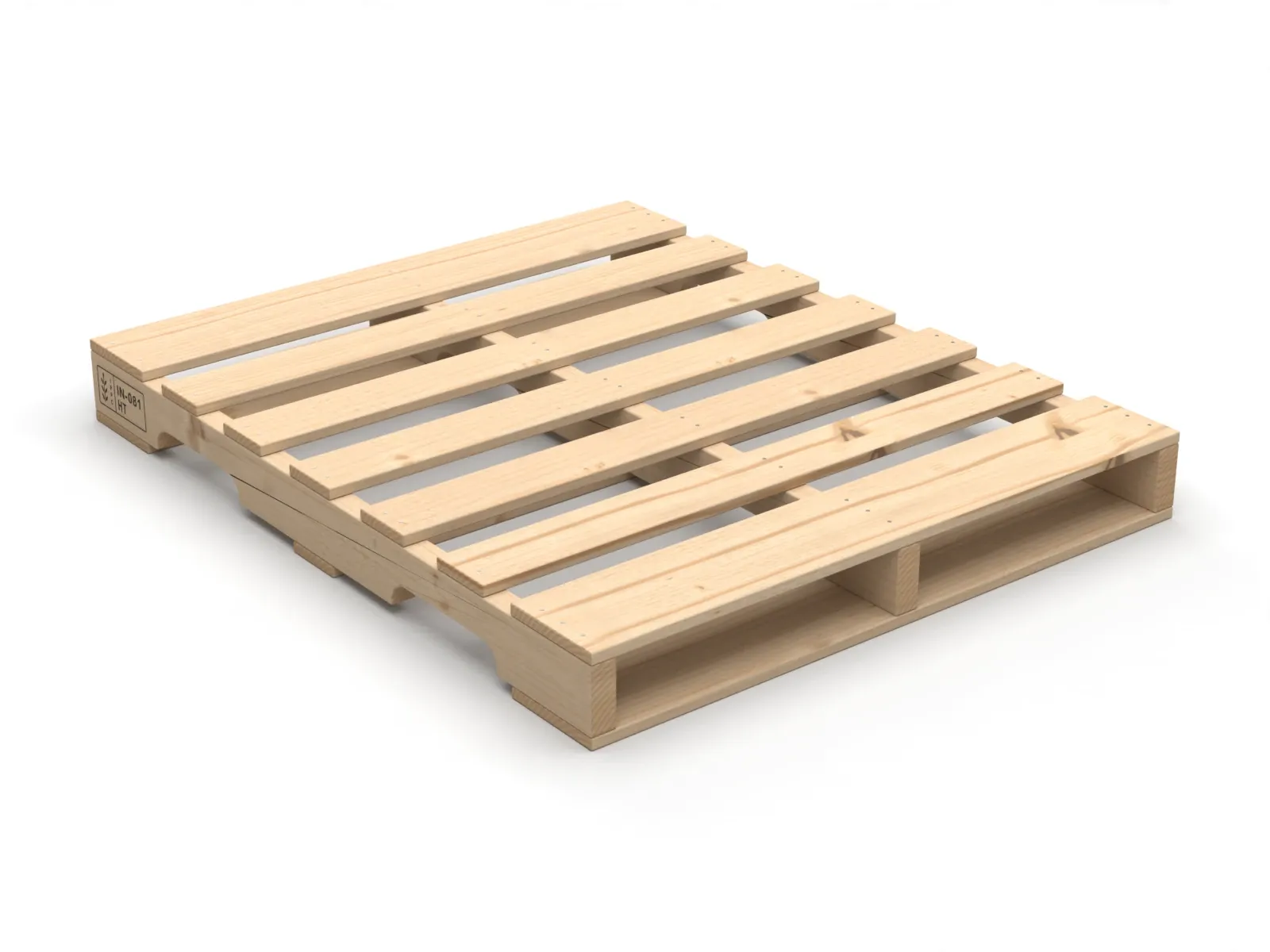
The GMA pallet is North America’s standard: 48 × 40 inches, typically with three stringers and rounded notches cut in them for partial four-way entry. It is less tightly specified than the Euro or CP pallets; what matters most is the footprint, which matches American racking, trucks and warehouses.
Use GMA when: you export to the USA or Canada.
What about everything else?
For domestic shipments, in-plant handling and exports where the buyer has no preference, a well-built pinewood or hardwood pallet in a size that matches your product is often the most economical choice. See our pallet sizes guide for help choosing.
What we make
Ambica Patterns builds Euro-size, CP-type and GMA pallets to the standard dimensions, plus custom pinewood and hardwood pallets, in Bengaluru. We are not an EPAL licensee, so our pallets carry our ISPM-15 mark “IN-081 HT” rather than the EPAL mark. Tell us where your goods are going and we will recommend the right pallet.